

Until recently, pignoletto (Pignoletto) was the name of the white grape varieties, is strongly associated with the wines of Emilia-Romagna in Central Italy. Highly respected in his native region.
A few years ago, DNA analysis showed that pignoletto genetically identical to Grechetto (Grechetto) – more well known variety, widespread mainly in Umbria.
To be precise, pignoletto is the same as Grechetto di Todi, Umbria (Grechetto di Todi) aka Grechetto Gentile (Grechetto Gentile).
Since 2010, the most visible output pignoletto on stage steel wine Colli Bolognesi Classico Pignoletto (Colli Bolognesi Classico Pignoletto DOCG) – denominationa at the Western edge of Bologna, which produces annually about 5,000 boxes of white wine in which at least 95% were pignoletto.
In addition, DOCG, five DOCов Emilia-Romagna (Colli Bolognesi, Colli d’imola, Colli di Rimini, Modena, and Reno) and two IGP (Emilia and Rubicone) produced monosortovye wines from pignoletto.
Now everything will be different
The winemakers of Emilia-Romagna decided that the idea works best pignoletto wine from the Grechetto produced in the historic region than in the form of a synonym of Grechetto, which can be used by anyone.
The story is exactly like what happened before with Prosecco and glera. Prosecco was the name of the variety, which could appear on any label. And there, even far beyond the borders of Italy. Then the grade was renamed glera and Prosecco DOC established, thereby limiting the use of that name a specific territory.
In Emilia-Romagna similarly decided to stop calling cultivar name pignoletto, replacing it with more recognizable Grechetto. And pignoletto to address its historic homeland, establishing the appropriate DOC Pignoletto.
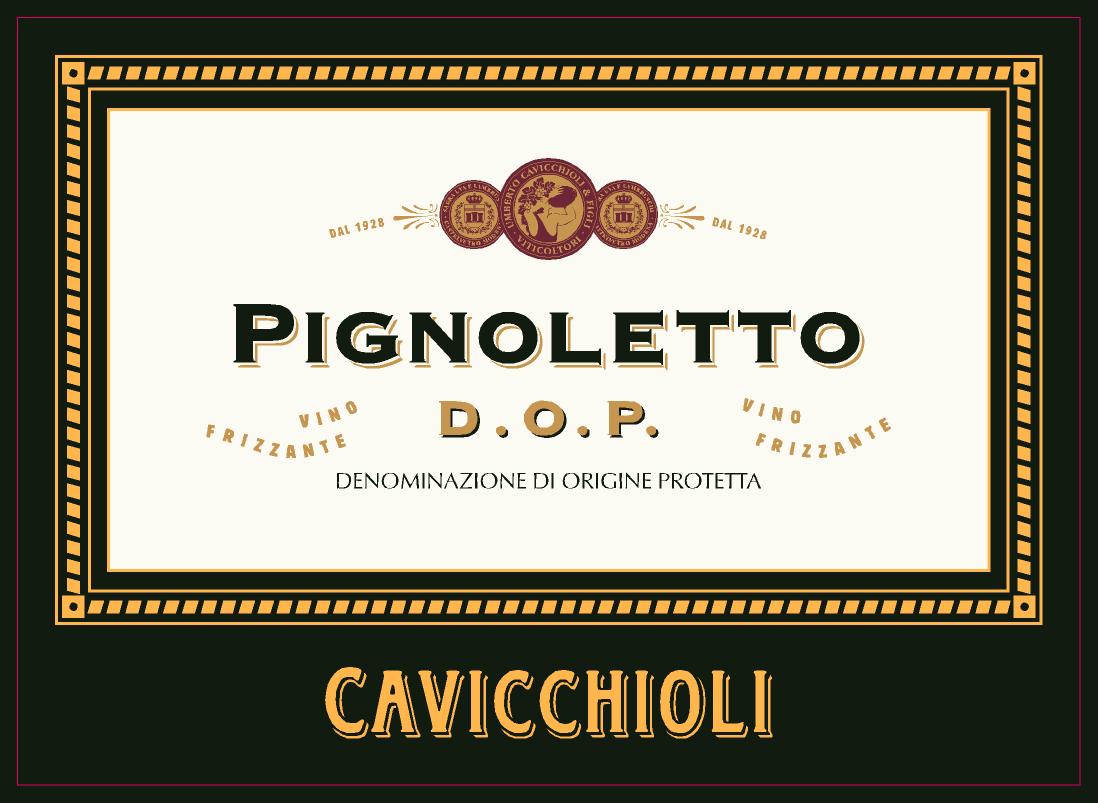
In fact, the Pignoletto, which gave the name of the new category is the name of a village in the commune of Monteveglio, the province of Bologna is so small that its not even on Google maps.
With the introduction of a new denomination the use of the word “pignoletto” on the labels of wines beyond for becomes illegal.
According to one of the importers of Lambrusco from Modena, it’s just a question of ordering the wine appellations. The Union of all regional wines of Grechetto in the single category of the DOC with a common set of rules, he said, brings more clarity and definition in the turnover of the wine. This is seen as positive for the pignoletto, as a more logical labeling will avoid confusion for the consumer.
Beginning with the 2014 crop year, all the wines Pignoletto with the word on the label must be either extended and renamed Colli Bolognesi Pignoletto DOCG (left the word Classico), or from the new Pignoletto DOC.
Although the DOCG area had to expand to cover new categories of DOC, the old boundaries will continue to use to determine the Classico sub-zones that may appear on the labels:
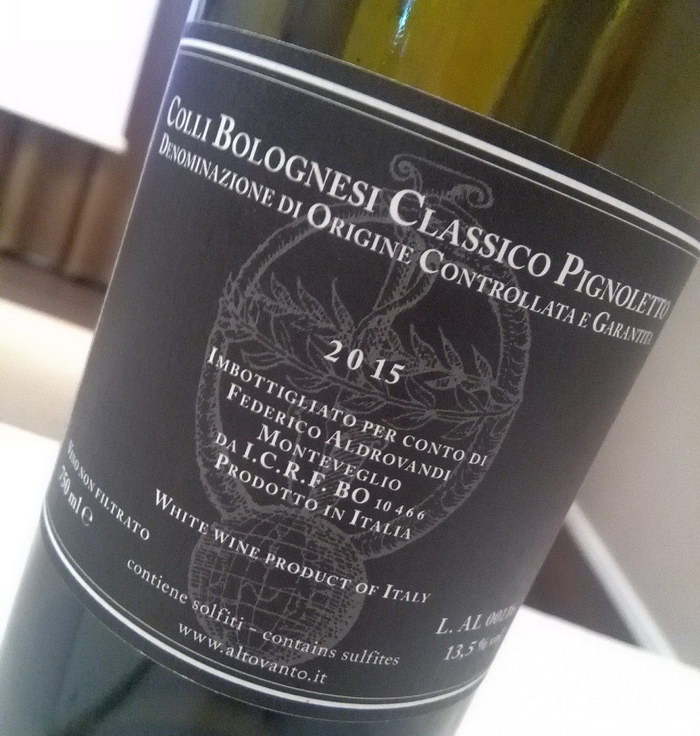
Category Pignoletto DOC has incorporated monosortovye wine from the Grechetto other denominational Emilia-Romagna, previously markirovochnye as Pignoletto and sometimes as Rébola.
The wine Pignoletto can be still, sparkling, late harvest, passito, and in any case with a minimum content of 85% Grechetto.
The three subzones correspond to the three already existing denominations: Colli d Imola, Modena, and Reno.
Requirements minimum shutter speed no for any of these wines.
Producing wine is just a new denomination for 2014 was estimated at about 90000 hectoliters (million boxes).
Because of the wide palette of styles that are valid for this wine, describing them “as a whole” does not make sense. And Yes, the yield is again the focus of attention. If it is monitor, you can get a great white wine with a floral bouquet, notes of ripe Apple and lively acidity.
This acidity allows you to make beautiful and sparkling version of the class, and in the case of late harvest – impressive sweet.
Source: portal italianwinecentral.com