First of all, we should separate the wine from all the others – fruit, berries, honey and all sorts of crazy exotics like hemp. All of them are the subject of other articles.
Next we will talk about types only grape wine – product of fermentation of natural grape juice.
Alcoholic fermentation is called as such because of the obvious reasons: it involves the processing of sugars by yeast juice into alcohol (ethanol mainly). Real wine can only be an alcoholic beverage. “Nonalcoholic wine” is like instant coffee: the name is similar, but the drinks are different.
Anyone interested, see:
- An article about non-alcoholic wine.
- FAQ about powdered wine
- Forgery and imitation in the shops
And we are back to normal and look at the first division grape wine:
The alcohol content
The natural alcohol content in wine depends on the amount of sugar in the juice of grapes at the beginning of the fermentation and the ability of yeast to process the sugar into alcohol. The more Mature the berry, the more sugars the higher the degree of wine. This is the most simple and basic relationship. So the wine from hot areas, as a rule, stronger than wine from the cooler. Types of wine at the fortress can be represented as follows:
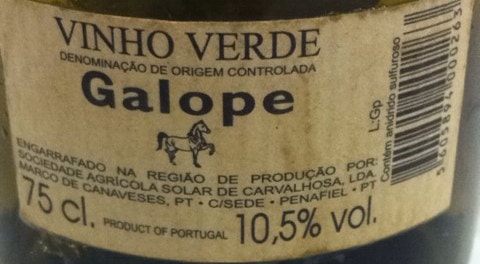
Low alcohol wine is a wine with an alcohol of 6 to 11 degrees. Example: Portuguese Vihno Verde (Green wine), sparkling Asti.
Natural-bodied wine is a wine with a natural fortress of 14-16 degrees. This is an average. In white wines the alcohol is felt more strongly so for them the definition of “strong” starts lower than for red.
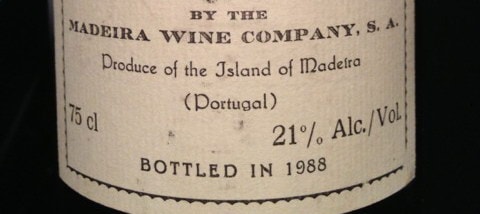
Fortified wine is wine to which has been added alcohol apart from the natural alcohol fermentation. As a rule, we are not talking about pure alcohol, but of grape distillate (in the case of Portuguese port, Spanish sherry, Madeira Portuguese).
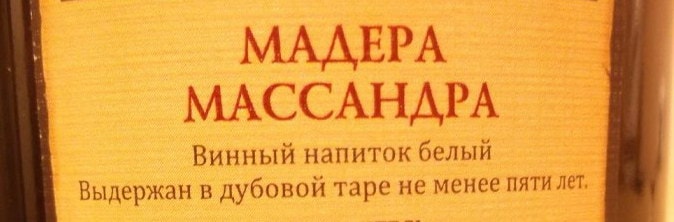
Add pure grain or beet alcohol is rectified to obtain a fortified wine can, for example, in the production of Massandra. But because of this their fortified beverages and can not be called wine, but only “drink wine”, – note on labels:
The sugar content
Continue the previous topic. If the yeast has processed all the sugar from the grape juice into alcohol, then sugar in the wine is almost gone, and the wine was dry. If yeast has failed to do so, or they were prevented, this sugar remains in the wine – and here we have the floor-and all sorts of sweet options. So division according to the degree of sweetness:
Dry wine is a wine with a minimum content of natural residual sugar. In the General case for European and Russian wines is a mark of up to 4 g / L.
- By the way, why do they call it “dry”?
Remember, we said that for white wine, the concept of “strong” starts earlier than for red? Similar story with the sweetness of sparkling. Due to the fact that wine, which make a sparkling, much more acidic normal (quiet), the sweetness of it is perceived weaker. Therefore, for sparkling adopted its own scale of “dry”, where the concept of “gift” begins from the upper level of about 30 g / l (make the difference!) and mark 4 g / l corresponds to the term “extra Brut”.
Semi-dry, semi-sweet wine is wine, in which were the natural sugar of the grapes to an average of 50 g / L.
In case of semi-all versions, we are talking about a deliberate interruption of the fermentation to maintain residual sweetness. And usually, this is done to disguise the sugar of the disadvantages of wine. So you will certainly hear the wine snobs of the opinion that “semi-dry and sweet wine – is a necessary half-measure negligent of the winemaker.” Such snobs are and recognizing the exceptions, such as French rose wines Rose d’anjou, semi-dry white Hungarian wines and neck. etc.
Since the fermentation is interrupted, the wort maintains sugar, but is unable to recruit a fortress, so semi-dry and sweet wines are often soft:
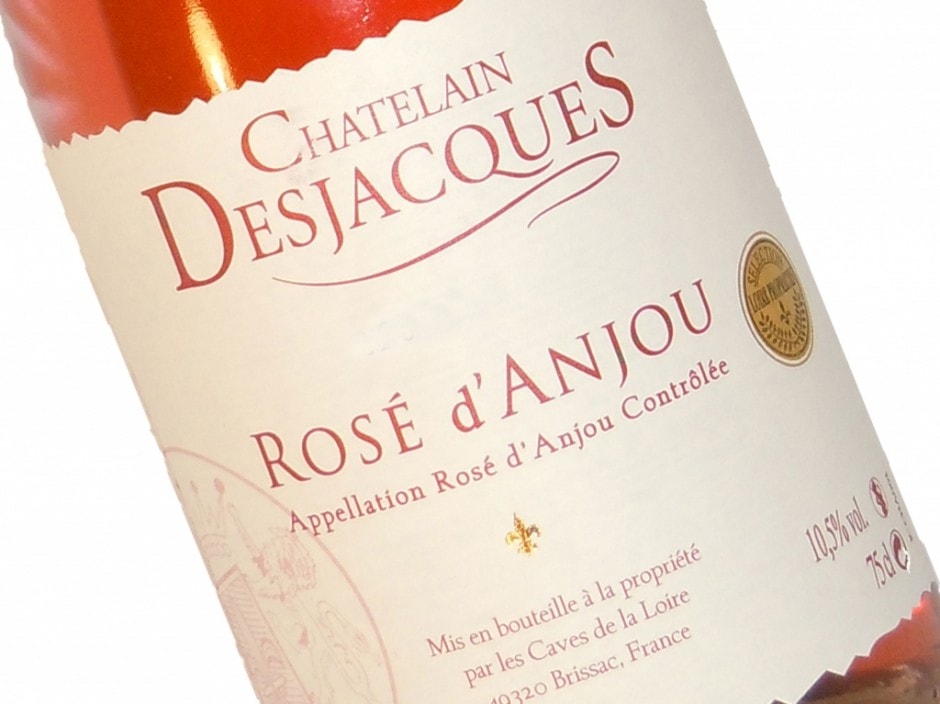
Semi-dry rose d’anjou the fortress of 10.5%
Natural sweet wine is a wine with natural residual sugar content of more than 50 g / L. And then start the nuances.
Naturally sweet wine you can get, interrupting the fermentation. One way to do this is to add alcoholdistillate, and thus most fortified wines – not dry.
And you can take the berries where so much sugar that the yeast with it just can not cope and die, not having finished.
The second case is definitely connected with something special: this or late harvest varieties at the right place, or drying of the crop to increase the concentration of the wort (see Recioto), or freezing berries (see Eiswein), or God knows what else. In these special cases, it is customary to speak of special types of natural sweet wines belonging to the “noble” and expensive.
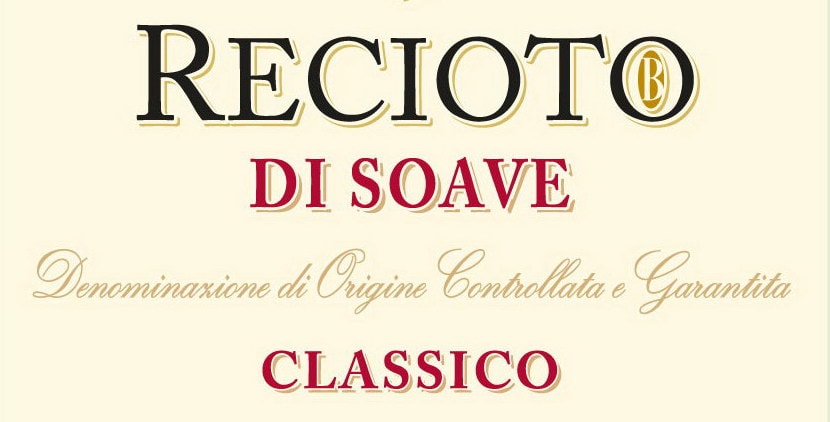
Italian noble sweet wine Recioto di Soave
Troubles on the subject can see the sweet wines of France.
The presence of carbon dioxide
It’s about the bubbles that is the essence of CO2 formed in the fermentation and retained in the bottle before serving. The jungle of all methods of gaining bubbles described in the article “how to make sparkling wine?”. Here just say the wine is:
Sparkling , where carbon dioxide formed during fermentation, were stored and bottled.
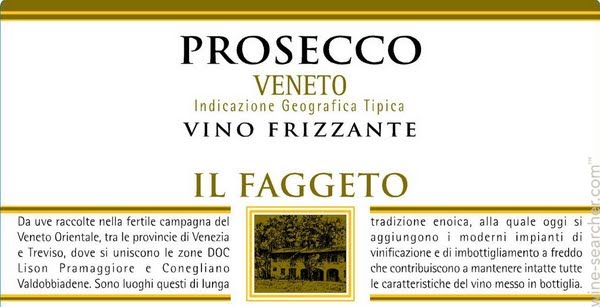
Sparkling wines vary in the amount of the collected carbon dioxide. In Italy full-bodied sparkling (where a lot of bubbles, almost like champagne) is called Spumante (vino spumante), and where their less – frizante (vino frizzante). In France they correspond to van Musso (vin mousseux) and van patio (vin pé tillant).
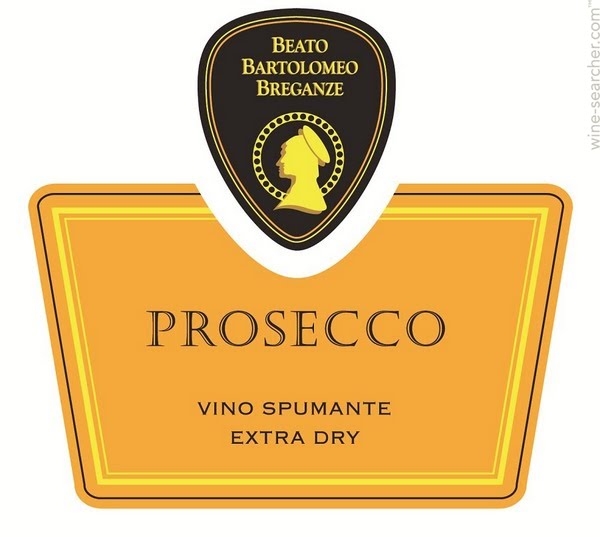
Quiet – in which all carbon dioxide left in the wine before its bottling.
Color
The most simple and straightforward division. It would seem.
Red wine – wine made from black grapes. All color the wine gets from the skins of berries, contain anthocyanins – pigments. The pulp of the berries of most varieties are colorless. Ie, the color is, but he is very pale with hints of green. The rare exception – the varieties with coloured flesh, which the French call the beautiful collective term “tenture” (teinturier). Such curiosity is known to the Russians Saperavi, Georgian which is even translated as “paint”.
White wine – wine from light-skinned grapes. Any of the blacks who are not allowed to feast upon the color from the skin, producing a very gentle spin. In the practice of the champagne wine is the term Blanc de Noir (blanc de noirs, literally “white from black”) to refer to white sparkling wines made from black grapes.
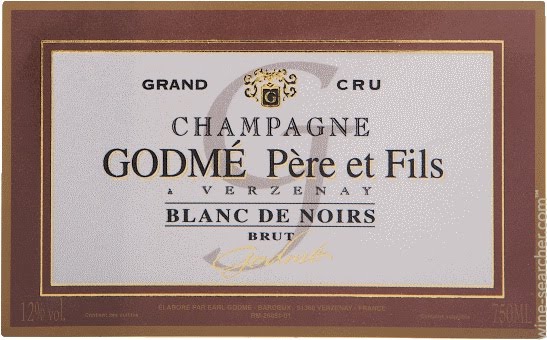
White champagne from red grapes “Blanc de Noir”
Rose wine – wine, which was used dark-skinned varieties, but so that the staining of the juice by squeezing and maceration was not intense.
The American label is faintly pink wines are often designated by the word “blush” (blush).
- Cm. known pink wines in the world
Orange wine is wine made from white grapes made red, i.e., with prolonged contact of the juice with the peel of the berries, which makes their color, taste and aroma is very intense.
- Cm. article about orange wine
Wine grapes
Wine is divided into monosortovoe aka separee (from FR. cépage – grape variety) and blended, made from a blend (a mixture of varieties). And there is no evidence to suggest that SEPA better blend or Vice versa. The fact that the quality and dignity of the wine is determined not only by variety, but also a bunch of other factors (see concept of terroir).
However, the varieties on the label makes the wine clearer and closer to the consumer. And if the winemaker has cause to believe that his wine successfully embodies a particular grade, then he will show it on the label. Especially if it is a flagship variety for his country. Or this variety belongs to the popular international varieties (Merlot, Chardonnay, Cabernet Sauvignon, etc.) and more winemakers have nothing to boast…
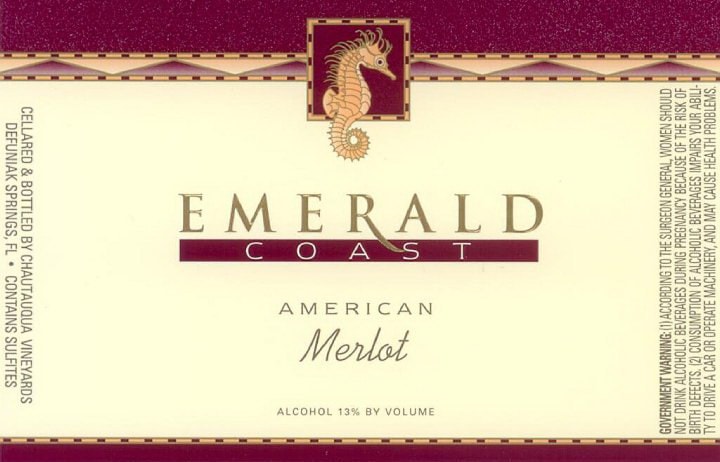
The difficulties begin an unprepared wine-y when he picks up a bottle of French wine is classified. He’s on the label variety indicated rarely. Because in the tradition of high French wine is considered to be that it is all about terroir. Including what variety or mix of varieties to produce a wine at this piece of land. On the label the concept of “terroir” takes the form of the appellation, and “that says it all”. More on that below.
On the territory of origin
Whatever the wine, it somewhere made. And the grapes for it are grown. And it can be different places. For high-class wines these places should be the same. Because in the process of transporting fruit (or wine) the quality of the final wine will certainly suffer. Besides, if you are familiar with the concept of “terroir”, then you understand the significance of the birthplace of grapes for quality wines.
Therefore, we have established national and international system for the classification of wine based on the control of origin of the raw materials and the wine itself.
At the very bottom of the gradation is similar to table wine. The word “table” here indicates that this wine washed down the food and the cultural values it represents. The wine for table wine may be imported from another country. It does not matter.
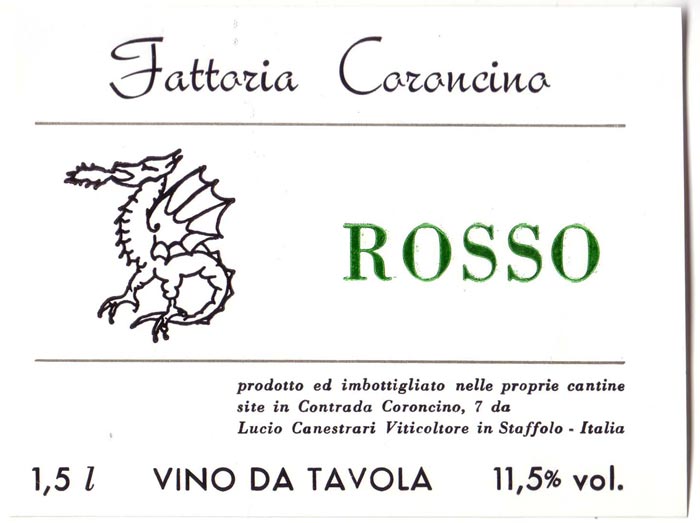
Italian table red
A higher category in the classification system represents the wine of controlled origin. For the purposes of such control wine the countries were divided into the so-called “appellations” – areas of production with the established geographical boundaries and its rules of winemaking. If is specified on the label appellation, everything else is “implied”, i.e. go read the rules of the appellation.
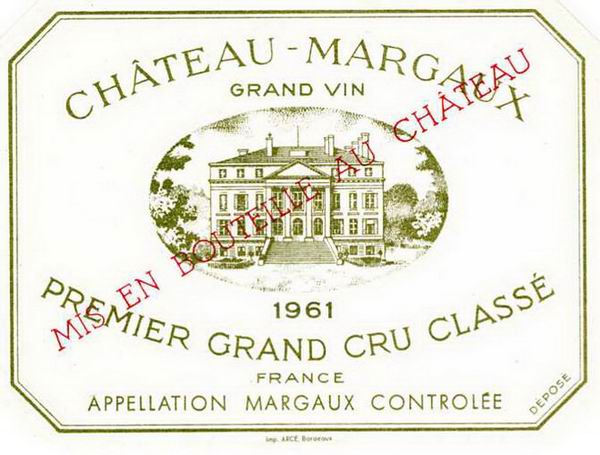
French wine appellation Margaux
Crazy is a separate topic that we have disclosed in the article wine classification.
Exposure
Let’s start with the fact that aging can be ranked only wines that are capable of it. Therefore, the main division is:
- Wines with potential for aging
- Wine with a shelf life
Aging potential is the ability of the wine with age to develop more complex and pleasant bouquet. Ie, not every wine age is getting better. Creating a wine with potential for aging – the process time-consuming and expensive. Why cheap wines in this category just does not happen.
However, the complexity of the fault need not always and not everyone. The market needs a young wine that can be drunk immediately and with pleasure. And these wines make up the lion’s share of what we see on the shelves. For them, the more applicable the term “expiration date”.
Bottles write that “shelf life is not limited”. It just means that this wine will not be poisonous. And it’s true. But drinking wine, which was all dead lovely, we kind of don’t. In young wines not intended for aging, is very bright, pleasant bouquet and a lively palate that long to live, and they did not come.
When storing at home red wine is best to drink within 2-3 years, white and in a year or two. But it is very, very conditional mean. Powerful red wines (where a lot of tannins) are living longer, light a white (with low acidity) may fade in less than a year.
Wine with potential for aging requires special conditions of storage: a wine cellar or special wine fridge. “Aging” of wines under the bed or in the domestic refrigerator is in the louboutins for mushrooms.