

Valpolicella is the most famous wine region of Veneto in North East Italy, whose name translates as “valley of many cellars”.
Its popularity is not difficult to understand if you are familiar with easy-drinking red wines labeled Valpolicella prestigious and their fellow – dense, full-bodied Amarone della Valpolicella.
The basic wine of the region
Standard wine region – just Valpolicella is a bright fruity red, with lively flavors and aromas of blueberry, banana and recognizable note of sour cherry, typical of red wines of Northern Italy.
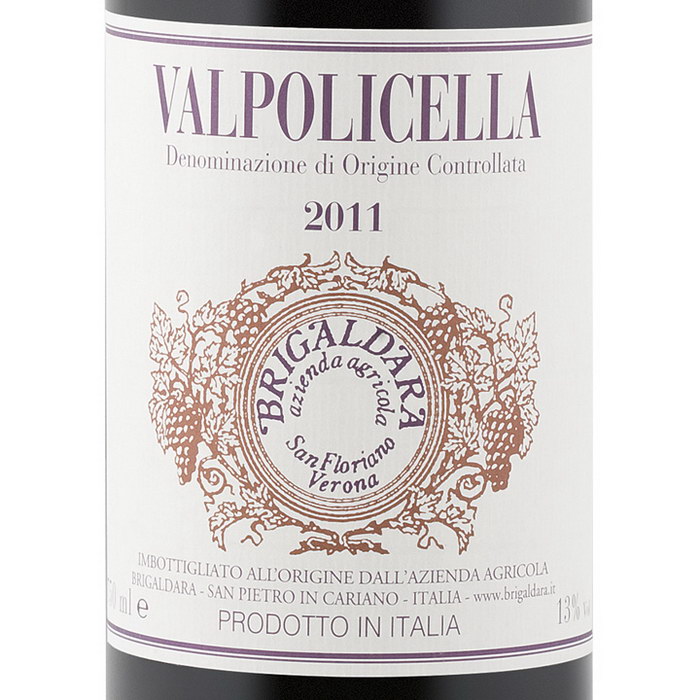
It can be drunk at room temperature and slightly chilled – perfect for a relaxing warm summer evenings. Quite another matter – the wine Ripasso, Amarone and Recioto from the same region.
Speaking about the style of base wine, the Valpolicella can be called the Italian answer to Beaujolais. However, it is not only in the style. Like Beaujolais, in the past few decades Valpolicella wine spoiled his reputation by chasing after the volumes and variability of quality.
The Valpolicella production area ballooned in the 1960s, when received the status of a DOC. In the subsequent 40 years the quality of wine produced is heavily hopped, and the quantity (output per hectare) was far from reasonable. Prices reached bottom in 1970-1980, when the low cost per kilo of local grapes has led to the fact that focused on the quality of the wine (especially in the best areas of Valpolicella Classico and Valpantena) lost the incentive to work with the vines, which in turn led to even greater production of Valpolicella wine, and prices went into a tailspin. The situation was saved by the sudden surge of interest in the wines of Amarone in the 1990s.
Varieties in the wines of Valpolicella
The wine Valpolicella is made from Corvina, Rondinella and Molinara.
Corvina is considered the most valuable of the three. And accurately is the most traditional of these components. This variety clings to the favorites of the producers of Valpolicella high-class, especially the Amarone, Recioto and Valpolicella Ripasso. On warm, well-drained soils Corvina gives the wine a more “positive” than is generally expected of Valpolicella, which explains the Gulf between “on duty” wine Valpolicella from the plains and Amarone wine from the hills of the Classico zone.
Rondinella has gained popularity in the 1960-70s due to dashing of fertility.
Molinara same pale face and has a very high acidity and a tendency to rapid oxidation. Its use has been steadily falling.
Valpolicella wine area covers a good portion of Western Veneto, stretching North to the hills above Verona (ten miles) and somewhere twice more than that – from East to West, between Soave and Bardolino.
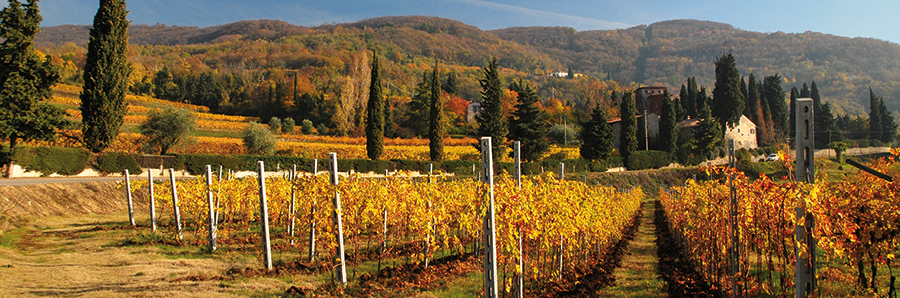
The best terroirs located in the Northern part of the Classico zone.
The village of Gargagnago has been home to vines, which can be attributed to one of the best in the region, but better known as the spiritual birthplace of the garganega – the basics of white wines of Soave and Gambellara. Local hills rise to 610 m above sea level, pulling the vastness of the fresh sub-Alpine air and form sections, facing in all directions and catching every ray of the Northern Italian sun.
Special wines of the region
Due to the fact that the wine Valpolicella traditionally has tended to drift in the direction of a light spectrum, local winemakers have implemented various techniques to add depth and complexity. The passito and ripasso methods have given such interesting results, that in the end it was dedicated to DOC (for Valpolicella Ripasso) and DOCG (wines of the type “passito” – Amarone and Recioto).
The method of “passito” involves a drying out of berries for several weeks or even months before subjecting them to digestion. During this time the concentration of sugar and flavor substances in them increases so that they are enough to produce very rich wines with a higher alcohol content. Cm. Amarone della Valpolicella
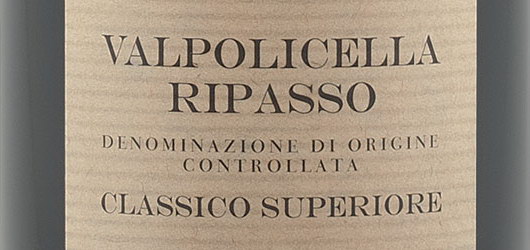
The method “Ripasso” (literally “re-pass”) is to use already fermented cake “passito” for joint fermentation with a wort basic Valpolicella to give the last character and complexity. This practice was enshrined in 2007 as an independent category of Valpolicella Ripasso.