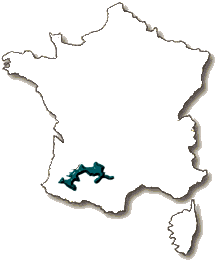
South-West (Sud-Ouest) is a fairly large area of French territory including the administrative regions of Aquitaine, Limousin and the Middle of the Pyrenees. But from the point of view of wine, the South-West is not so straightforward, as it does not include Bordeaux, the value and weight of which is so large that it is considered as a separate wine region.
A long history of wine in South-West France consists of a succession of challenging twists and turns. The most important role in it played by the local river as historically this is the most important way to deliver wines from traditional areas of production such as Cahors, Bergerac, Buzet and Giac to foreign markets.
The last trading post before the wine was left on the lucrative market of Britain, was the port of Bordeaux. Bordeaux vintners rightly looked at the transit of wine at the competition and made a serious effort for the protection of their interests.
The result was this wine map of France as we know it today: Bordeaux in the role of bright stars and other regions of the South-West, trying to gain recognition of their local wines in their original diversity.
In the history of the region lies the explanation of why Bordeaux grape varieties – Cabernet Sauvignon, Merlot and Sauvignon Blanc became worldwide hits and about such traditional varieties of the South-West as tannat (Tannat), len de l El (Len de l ‘ El) and servadou fer (Fer Servadou) hardly anyone heard it.
The types of soil, mesoclimate and topography of the South-West of France are as varied as the styles represent his wines. Part of the territory is under the influence of the Atlantic and is characterized by a Maritime climate, the other – deeper into the mainland, with its dry hot summer periods. The Garonne river, the Dordogne, tarn I Lo a relatively large proportion of the region is formed of alluvial soil types (clay, gravel, sand), while the Pyrenees on the slopes and bottom lying plateau – rocky areas with elevation changes.
The wine region includes the range of sweet wines Zhyuranson (Jurancon), tannic full-bodied red wines of Cahors and de madiran, sparkling from the commune Giac and dry white from a variety of grapes.
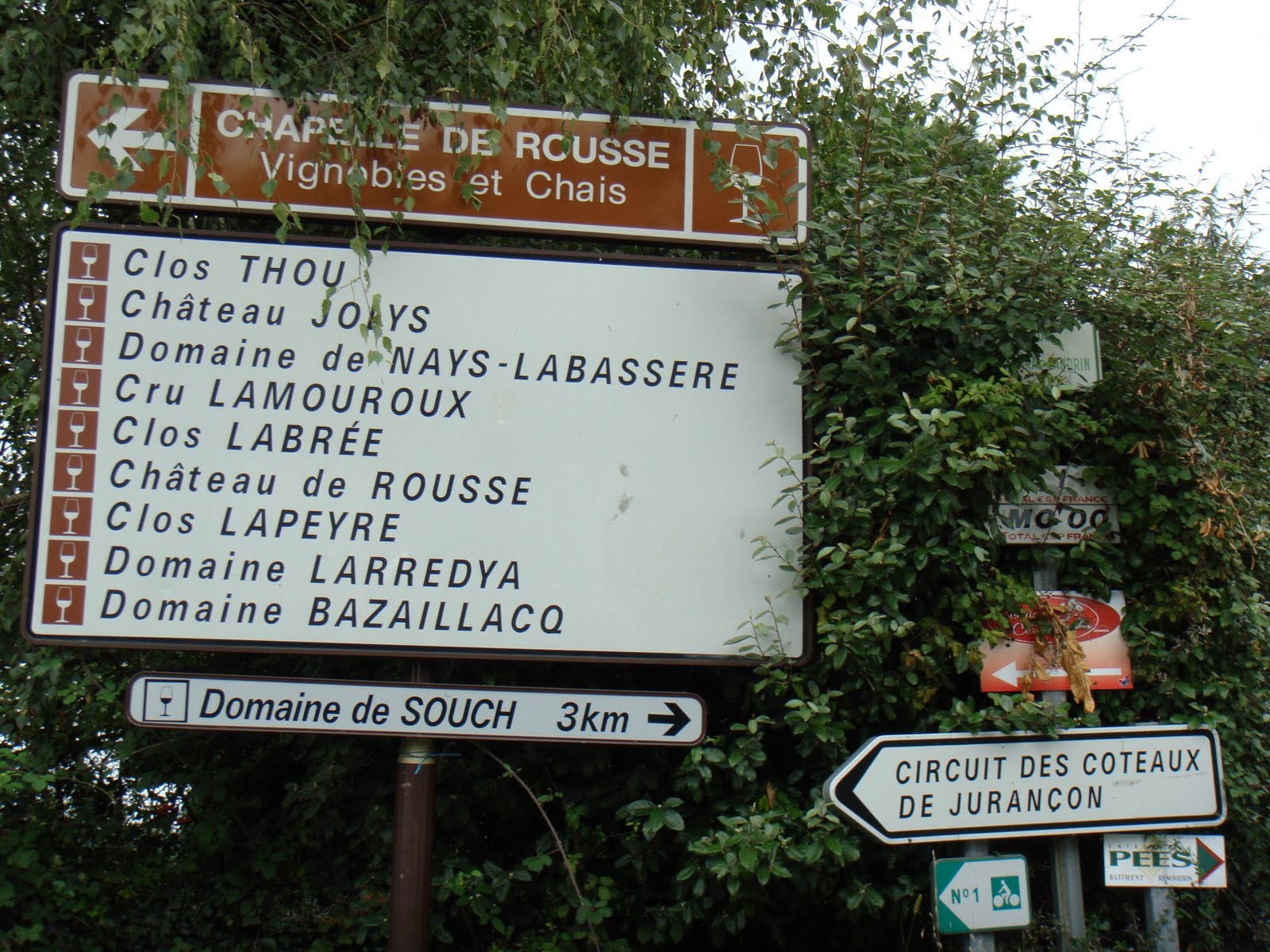
Local producers are more commercially focused than in previous years and are trying to use this diversity to attract the attention inclined to experiments of modern consumers. Although Bordeaux still overshadows the rest of the South-West of France, its port hub does not play a more decisive role, and the other winemakers of the South-West have a chance to gain international recognition through their own merits.
Source: portal WineSearcher