Sangiovese (Sangiovese) – a dark-skinned grape variety, which occupies the 1st place in area planted in Italy.
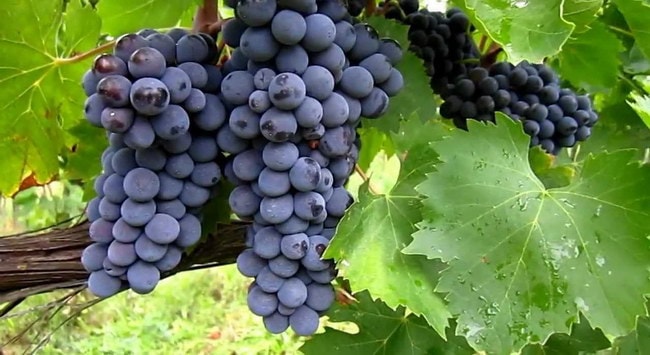
Synonyms varieties: Gallucio (Corsicans. Nielluccio), Sangiovese (Sangioveto), Sangiovese Grosso (Sangiovese Grosso), Sangiovese Piccolo (Sangiovese Piccolo), Brunello (Brunello), Prugnolo Gentile (Prugnolo Gentile), Morellino (Morellino).
Sangiovese is practically the symbol of the red wines of Tuscany. This grade is based a few big names of Italian wine: Brunello di Montalcino (100% Sangiovese) Vino Nobile di Montepulciano (the main variety), Chianti (basic grade).
Italian – and the world – the love of Sangiovese has survived more than one generation. However, recent research suggests that the variety is not as ancient as many people think.
In the late 20th century, Sangiovese had almost every tenth bottle of wine in Italy. The quality of these wines can vary within wide limits, but in the 1980s, wine-making technology made a major breakthrough, and together with them pulled up, and the average level of the wines produced.
Have many Sangiovese clones, so in Italy, in this class there are a set of regional synonyms.
Well made wine from the Sangiovese loved for its high acidity and confident tannins and natural balance. Characterized by the bright tones of cherry, cherry and dark stone fruit that can be tinted notes of tomato leaf and dried herbs.
Increasingly popular is the aging these wines in oak, which can complement the rich aromatics of the variety with aromas of plums and wild raspberries.
One of the modern incarnations of Sangiovese – the so-called “supertuscan wines”, produced in category Toscana IGT. The output of this broader category, gives the wine room for creativity and the ability to mix native Italian varieties with recognized international such as Merlot, Cabernet Sauvignon, Cabernet franc.
In addition to the Tuscan Sangiovese prominently represented in the vineyards of Lazio, Umbria, Marche and of course of Corsica.
In Corsica the variety known under the name of Nielluccio and has a characteristic bouquet in the style of “macchia” (in the description of French wines can be found close to him, the descriptive term “Garriga”) – tone sun-warmed grasses and evergreen shrubs of the Mediterranean (juniper, rosemary, thyme, Myrtle, etc.)
In other parts of the world it can be found in Australia and California, where the grape’s high acidity is very into the hands of winemakers in a hot climate.
All clones of Sangiovese are relatively slow to ripen, so the wines they make more powerful, richer and have greater potential for aging than early-ripening varieties.
When the Sangiovese vines are pushing up yields, this leads to a more pronounced acidity and noticeably more pale color of the finished wine.
Another problem can be the thin skin of its berries, where this variety is susceptible to rot in humid conditions.