Latium (Lazio) is a region in Central Italy, where is located the ancient capital – Rome. The name of Latium was given to him the Latins, and the Romans opened a new era, establish trade and agriculture.
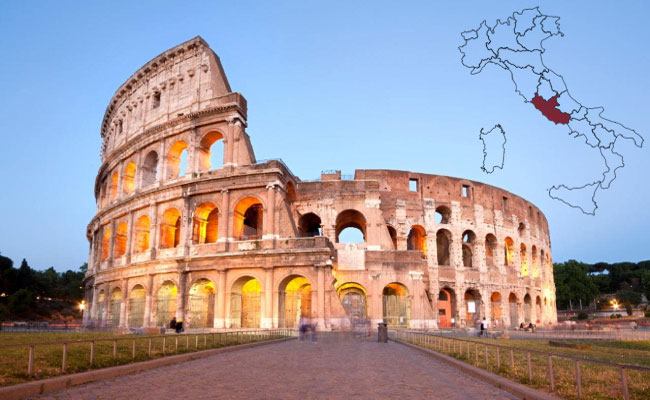
After the fall of the Roman Empire, these lands were abandoned. Only in 1870, when Rome became capital of Italy, began a new heyday of the region.
Lazio is bordered by Tuscany and Umbria in the North, the Campaign in the South-East and Lombardy to the East. The local hills provide a good base for viticulture thanks to the fertile and well-drained soils on slopes. Volcanic soils and calcareous tufa, rich in potassium, provide the grapes good nutrition. This type of soil is particularly suited to white grapes, because it ensures a good balance of acids.
The proximity of the Tyrrhenian sea in the West, important for its cool breezes, soothing the hot, dry conditions on the coast. But the mountainous zones of different range of microclimates, though protected by a ridge of the Apennines from the cold winds from the North-East.
The Wine Lazio
The reputation of the region is mainly based on its white wines, which make up the support Trebbiano and Malvasia di Candia.
In the old days, these wines were fat and sweet (it. abboccato), not suitable for any exposure. The current samples are easier, drier and fresh, thanks to modern techniques of vinification. And although they are still created for the consumption of the young, their bouncy acidic character blends with the local dishes: they are able to cope with the difficult nature of roast pork with herbs and even a young lamb.
Red wines Tuscany, in the mass, while not so beautiful, but are also trying to attract attention. Especially those of Sangiovese, chezaneze, Montepulciano, Merlot and Nero Buono di CORI. You can also mention the samples of chiledzholo and Canaiolo.
Generally in the region of more than 200 varieties of grapes.
The appellations and zones of production
In Lazio there are about 30 areas DOC that represents a decent wine collection, from which three white appellation can single out:
- Castelli Romani. The most important one.
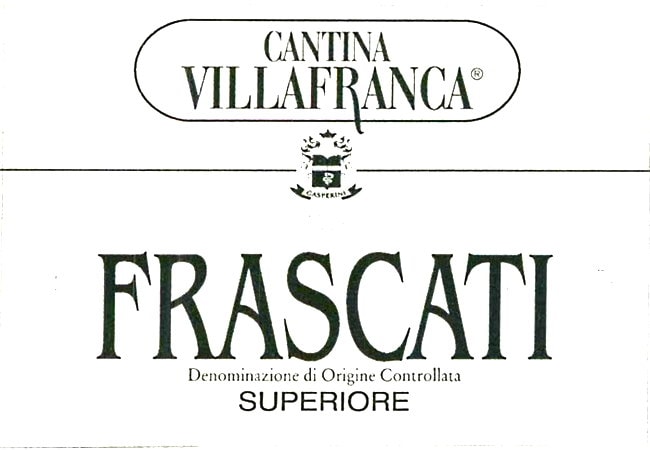
- Frascati. The most famous and traditional.
- Est! Est!! Est!!! di Montefiascone. Not so known abroad. But Russia is already noticeable.
Other DOCи, managed to create a reputation:
- Orvieto, Tuscany, which is shared with a neighboring Umbria.
- Marino.
- Aleatico di Gradoli. Rare red wine from the banks of the lake Lago di Bolsena. In sweet fortified version is labeled as Liquoroso.
The only DOCG in Lazio located in Piglio, in the hills South of Rome, and is called Chezaneze del Piglio (Piglio Cesanese del). This wine is considered the best embodiment of class chezaneze. This variety is represented here two appellations: Cesanese di Olevano Romano DOC and Cesanese di Affile DOC.
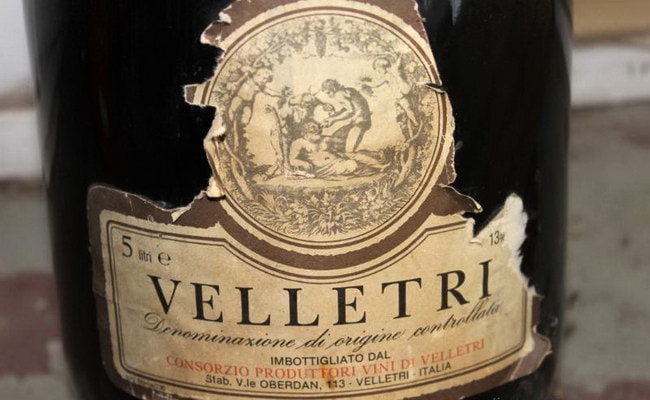
Despite the official status of piglio wine, best red wine of Tuscany, is considered a powerful Velletri (Velletri DOC) from Sangiovese, chezaneze, Montepulciano, Merlot and chiledzholo.
Among the table wines of Lazio, a lot of decent samples “Bordeaux rocks” – from Cabernet Sauvignon and Merlot, sometimes supplemented with local flavor like chezaneze.
The legend of ancient Rome – wine Falernian (Falernum) – today, became part of the modern winemaking is based on the varieties of Aglianico, Negroamaro and the local cecubo (cecubo aka abbuoto).