- Tasting with sommelier
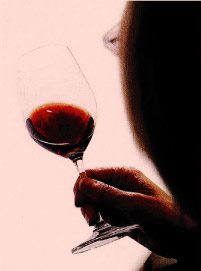
Eyes
Fill the glass with wine on a quarter of the volume. Check whether the wine is transparent (turbidity and presence of bubbles are indicative for defects in wine) and the view from the top to the bottom to find out how deep the color (the deeper the red color, the younger the wine, and/or the thicker was the skin of the grapes is a reliable method, if you have to taste wine “blind”).
Red wines fade, white acquire a deeper color. Tilt the glass from himself (the background should be white), to assess the color in the center of the bowl and its rim.
All the wines acquire with age a brownish hue, the same rim – the place where most notably the brick color of red wines. In young red wines the color is rather purple-bluish than the brick. Older red wines lose color at the rim. Than steklenica color and finer shades, the better the wine.
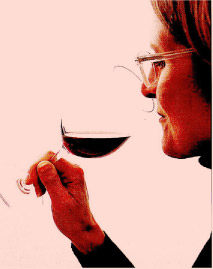
Nose
Sniff once, then roll the wine in the glass and sniff again. The stronger the experience, the more intense the aroma or bouquet. Thin, ripening of the wine need to twist before they will give any strong smell.
If you need to appreciate wine, check the purity (the quality of most of the wines of our time) and the intensity of its smell. Think about the associations that it evokes. I remember the smell of a lot easier if it can be called any word.
When you taste or drink wine (and these classes can generate a completely different feeling), notice how his scent. A good wine, he becomes more intensive and commercial – less. With anosmia, i.e. the inability to fully use the sense of smell, suffering only a very small percentage of people.
Mouth
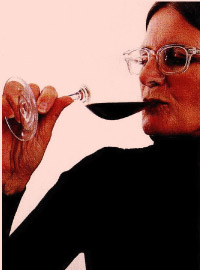
Should make a good SIP of wine, that it acted on all the taste receptors of the tongue and inside of cheeks. If the nose allows the best way to experience the subtle flavors of wine, the mouth is the most suitable for measuring the components of its taste: the tip of the tongue usually feels the sweetness, the upper edge is a very important acidity, base of the tongue, the bitterness, the inside of the cheeks – gives the wine dry tannins, and the entrance to the throat of any undue excess of alcohol.
After the wine is swallowed or, if we are talking about professional, spits, we can conclude Otomi, are all these elements in balance (in young red wines, the tannin content is often deliberately overstated), and how long the taste of the wine is preserved air is a good indicator of quality.
At this stage you can make a complete judgment about the wine and even to recognize it.