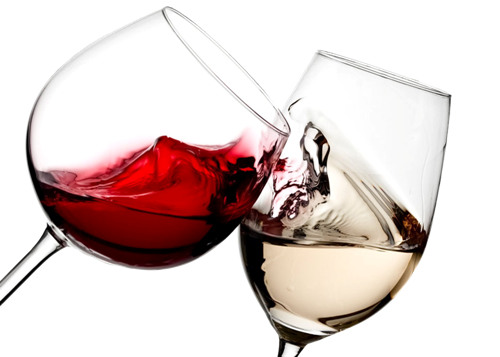


Zinfandel (Zinfandel) – red wine grape very popular in California. There affectionately call him Zin (Zin).
Synonyms varieties: Primitivo (it. Primitivo), Crljenak kastelanski (Horw. Crljenak kaštelanski), Triberg (Horw. Tribidrag), Priberam (Horw. Pribidrag)
Not being native to America, like most of her varieties and populations, this variety owes its international popularity to winemakers of NAPA and SONOMA. This popularity has generated interest in its history and the controversy surrounding its origin.
In the late ’60s fitopatology from California Austin Goin (Austin Goheen) during a visit in Apulia (Italy) noted the similarity of the local vines and wines from grapes Primitivo with a California Zinfandel.
Going home, he brought with him a few cuttings. At home his cuttings caused a heated debate, the end of which was laid in the late ’70s: isozyme analysis (a precursor of DNA profiling) has shown the identity of these varieties.
Take this opportunity and base American regulators, manufacturers of Apulia began to label their export of wine from the Primitivo as Zinfandel, hoping to play on the popularity of the overseas relative.
But closing the debate about whether analogue Zinfandel Primitivo, inquiring minds revived an older debate about its history.
During your stay in Apulia American Guoying heard the theory that Primitivo has Croatian roots, and that in fact, they may be the most common in the Adriatic, the red variety Plavac Mali (Plavac mali).
In 1982, he checked the sent samples of Plavac Mali and established the lack of isozyme similarity between him and Zinfandel.
In 1993, the team of Carole Meredith from the University of California in Davis with the help of modern genotyposcopic confirmed the result of the ’70s: Primitivo and Zinfandel are clones of the same variety.
Meanwhile, Californian wine-maker of Croatian origin, Mike Grgich. hold fast to the idea to tighten his native Croatia closer to the stars. In the late 1990s it inspired a team from the same University in Davis jointly with the University of Zagreb, the Croatian finding suitable samples and their study in American laboratories.
As a result, in 2001, was found a genetic match with samples of the vines, known in Croatia as Crljenak kastelanski (literally “kaštela red”) from the vineyard near the town of Split. And next year, another form of the vine under the local name of Pricipal in the garden an old woman in the village Svinisce.
In General, the Internationale: American Zinfandel, Italian Primitivo and Croatian Crljenak kastelanski – clones of one species.
As the variety came to America – are still not clear. But there are versions.
One of them sheds light on the frankly German sounding name Zinfandel. It is believed that he arrived in America in 1820х from the Imperial nursery in Vienna by order of the green thumb from long island George Gibbs (George Gibbs – by the way, the one in honor of his wife who was named class Isabella).
The fact that in Austria there is a variety of Zierfandler (Zierfandler). It looks like that’s what we’re talking about… but white. But the color illegibility if the similarity of forms – were not uncommon in the history of the naming Vinohrady.
The American gardener-a pioneer of the time William Prince (William Robert Prince) mentions in his writings a “black Hungarian Zinfandel”. Presumably, we are talking about delivered for Gibbs vines. And what does Hungary?! And just there was also a variety with a similar name, but also white and Gibbs from Austria brought the black.
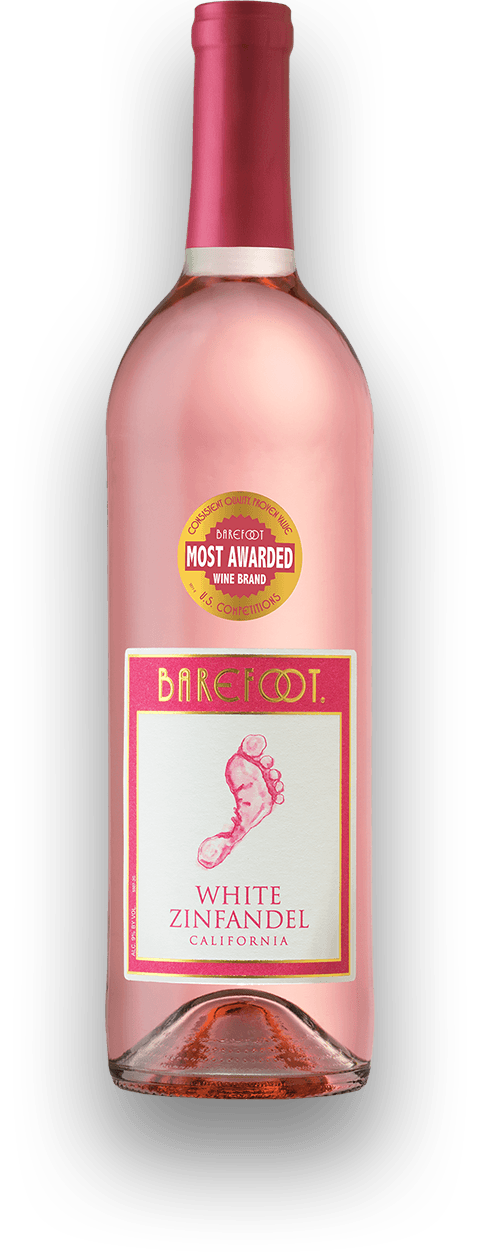
Since arriving in America Zinfandel were used to produce a variety of wines: dry and sweet red and famous White Zinfandel “blush”, created to please the taste of American consumers 1970s.
“White Zin” – a pale colored wine, usually dry or semi-sweet.
Blush in English means glow. So called in America, the pale pink wine from black grapes. A similar style can be found in Italian wines from Pinot Grigio, a dark skin which allows you to do “not quite white” wine.
The explosive popularity of White Zinfandel encouraged new planting, which is ironic because the style of this wine appeared in the attempts to somehow attach the existing yields of the vines.
To ’90M gg the growing popularity of dry red version of this wine gave an additional planting on new meaning. But the bulk of the production still amounted to millions of gallons of sweet in the style of “blush”.
In our days the red Zinfandel held her head high and is considered an American flagship. Although not to say that thanks to the outstanding qualities of the main mass of these wines. Rather, as the “most American” of all Vitis vinifera. The discovery of his identity to the Italian variety, therefore, was made in America is ambiguous. On the one hand, the pride of Association with the great wine-producing region in the world, with another – loss of a strong national identity.
Besides the U.S., this variety is cultivated in South Africa and Australia, where it is bottled and how Zinfandel and Primitivo as. But serious attention is not paid and the volume of production is small. In addition, Australia has its flagship, Shiraz, and no particular incentive to raise a rival to him. And in Africa the emphasis is on Pinotage.
If in the ’70s, the Italians marked their Primitivo as Zinfandel, adding to the attractiveness of the U.S. market, now the trend has reversed. As soon as Primitivo is gaining popularity in Italy, especially in Manduria, some California winemakers (especially with Italian roots) started to indicate on the labels of the variety Primitivo.
Away from these disputes and vanities, Croatian winemakers continue to produce intensely colored, full-bodied wine from their grades Crljenak kastelanski and Triberg. But the buzz around Italian and American “relatives” played into their hands, and these Croatian wines began to appear on the shelves in different countries.