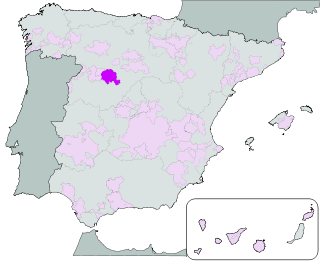
Rueda (Rueda) – wine region in the heart of the Iberian Peninsula, to the Northwest of the Spanish capital. It borders with the region of Toro. Known for its dry aromatic white wine based on Verdejo with small amounts of viura and Sauvignon Blanc.
Local, fresh, aromatic white wine serve as a harmonious addition heavy red on the basis of Tempranillo from the neighboring region of Toro.
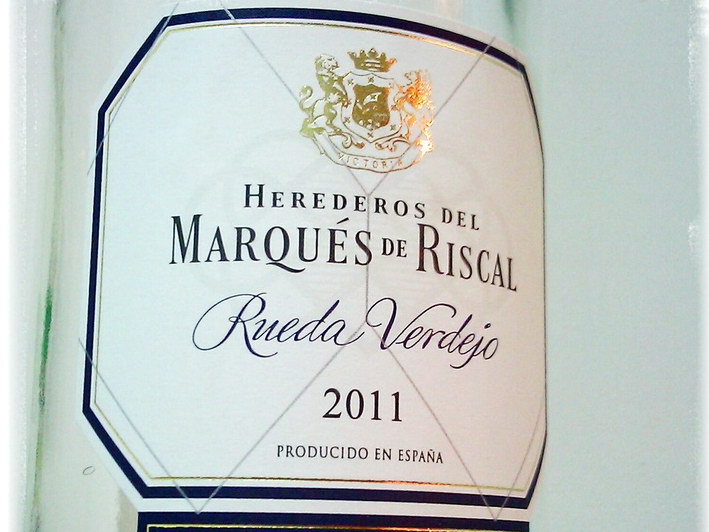
Standard white wine region, Rueda Blanco (Rueda blanco) – should be at least half consist of the Verdejo variety is so fragrant that even the addition of a significant neutral perception of viura (aka macabeo) does not affect the final bouquet. Not long ago, the offer of wines from this region with two varietal positions: Rueda Verdejo of Iroda Sauvignon (Blanc), which must contain at least 85% of these varieties.
Espumoso Rueda (Rueda Espumoso) – sparkling wine of the region produced by the classical method with a nine-month aging on the lees.
As of 2014, the area under the local vineyards was 13 thousand hectares and almost entirely from white grapes. Verdejo is an impressive 90% of these landings, showing a fantastic momentum since its revival in the 1980s, when the figure was around 50%. After a long stay in the shade, potential varieties have been “rediscovered” is open eminent producer of Rioja Marques de Rescale (Marques de Riscal), at the winery which produces several white wines in the region of Rueda.
Viura and Sauvignon Blanc together not exceed 5% of the annual regional vintage. Palomino Fino, once more popular, is now disappearing from the local landscape and is not more than 0.25% of the local vines.
In a sea of local white wine and a drop of red (Tinto) and rose (Rosado) from Tempranillo and Garnacha with a negligible proportion of Merlot and Cabernet Sauvignon.
Here, on the plains of Castile and Leon, the terrain is wild, and the land poor. Plants have to fight for survival, and of cultural can only cereals and vines. Local soil, rich in lime and iron – is also a significant factor. They are rocky, but provide good drainage and easy in handling. In the North the region borders one of the major wine rivers of the Iberian Peninsula – the Douro, leaving next to Toro, and from there to Portugal, where it is known as the Douro. Almost all the vineyards of the Rueda region are somehow connected with Duero: situated either along the river itself or its tributaries. The best of the parcel – closest to the Duero, where the soil is rich in limestone.
The climate here is continental: hot summer and cold winter with temperatures below zero. Hot summer days give way to cold nights, giving a freshness to the vines to help retain the so important for white wine acidity. This area is securely fenced off from the Maritime influence of the Cantabrian Cordillera. To assess the impact of this mountain range on the climate of Rueda, just look on the other side – to the Asturias and Cantabria, with relatively cool, fresh climate and lush greenery landscapes.
A turning point in the history of the region Rueda was the phylloxera epidemic in the late 19th century. Until 1965 there were hundreds of vineyards, but by the early 20th century, almost nothing remained.
When it came time to restore the landing after the devastating phylloxera, the choice of many growers fell on Palomino Fino. Palomino is perfectly adapted to the hot dry climate and very good for wines oxidative type (this is the main cultivar in the production of sherry), which was the norm in the Rueda of those years. This wine can be found here and now, but in very modest quantities.
Fortified wine are also doing. Blanca Rueda (Rueda Dorada) undergoes oxidative aging in oak for at least two years. The color of this wine is consistent with his name (dorada means “Golden”), and the bouquet – tones of toasted bread and a group of aromas of rancio (rancio).
More than light wine , Palido Rueda (Rueda Palido) is aged under Flor and is reminiscent of dry sherry of the Fino type.