

Grape phylloxera (Daktulsphaira vitifoliae) is a pest (aphids), parasitic on the roots of vines and leads to its death.
Phylloxera had a huge impact on the wine industry in the late 19th century, when it spread across the ocean from North America led to a mass destruction of vineyards across Europe, after which her name appeared vastatrix (“devastating”).
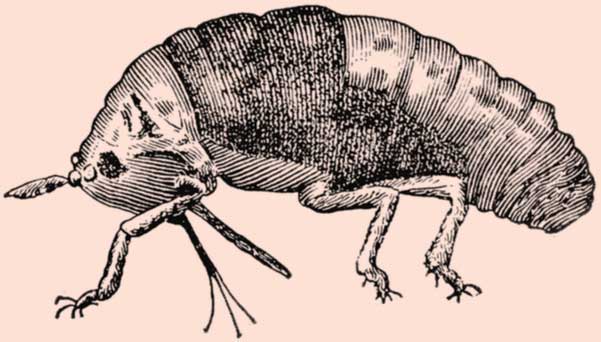
The trouble crept up unnoticed, with the development of navigation and increase the speed of the movement of goods around the world: phylloxera had the opportunity to live up to arrival to the “new feeder”. In the vineyards of Europe for a long time she remained unnoticed because growers are not aware of the symptoms of the vines, and when the reason became clear, it was too late.
Since the beginning of their “colonization” she got almost all corners of the earth where the grapes grow.
Only a few wine regions in the world remained untouched by the phylloxera epidemic, owing to geographical isolation (for example, Chile) or sandy soils that are incompatible with its life cycle (for example, in the Portuguese region of Colares).
In some areas the invasion managed to resist thanks to its strict quarantine regime. But in most cases measure against her was and remains the graft of the vines resistant to phylloxera of the roots. The material for these grafts have become the North American roots of the continent, the “native” for the phylloxera.