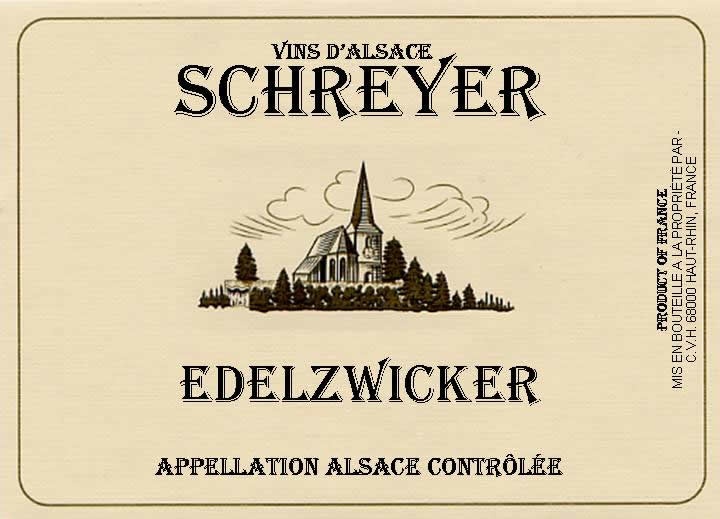
Edelzwicker (Edelzwicker) – Alsatian wine term derived from the German words edel (noble) and zwicker (blend). The term appeared in 1664, when in Alsace, the so-called “noble” varieties separated from the others, considered of less quality for the purposes of the local wine.
Among the noble were: Riesling, Pinot Gris, Gewurztraminer and Muscat.
Among the varieties of “worse” were: Pinot Blanc, Sylvaner, Chasselas and okserua.
Wine Edelzwicker made only from the varieties of the “noble” list, and just Zwicker was used to denote less prestigious blends. It was not until 1970, when the term Edelzwicker was officially abolished, and since then is used only as a historical artifact and has no legal content.
In the 21st century, the term was picked up by a small group of winemakers in USA and Australia, trying to exploit the typical Alsatian blend.
In France, Edelzwicker is not regulated by any of the existing AOC. So to enter this blend can be anything and beneficiates any manner that does not violate the General rules of the appellation (e.g. Alsace). Thus, a wine with the same name can be so “noble” as able to make a specific winemaker.
And because of the wide options specific to this blend, to single out any specific profile of these wines was difficult. However, it is possible to note the General for them a deep color and perfumed aroma.
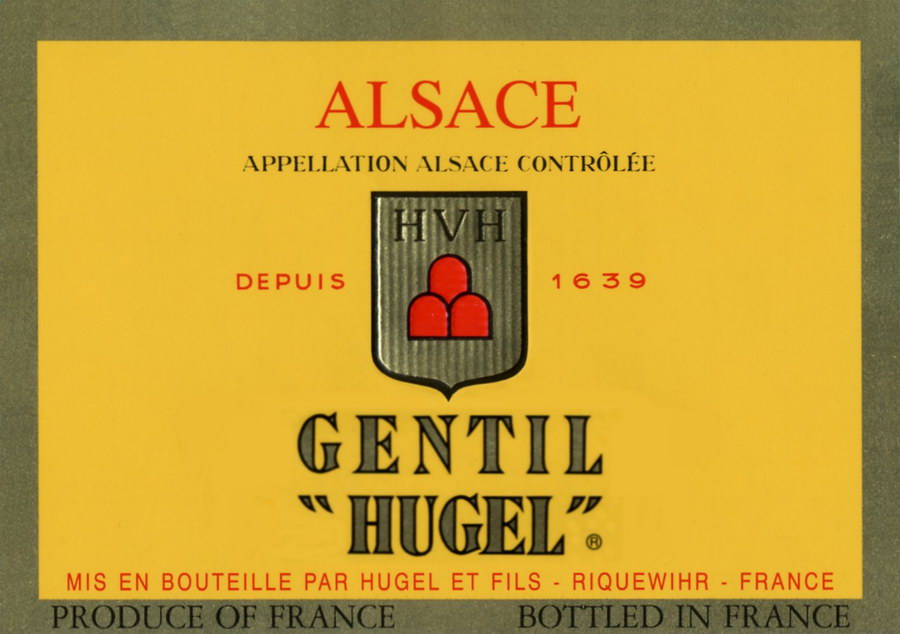
Similar story with bland Gentil (FR. “noble”). But if Edelzwicker gives the winemaker greater freedom of action, the wine Gentille has at least half comprised of Riesling, Gewurztraminer or Muscat, and the rest is from Pinot Blanc, Silvaner and / or Chasselas. The process of wine production Gentille requirements are also stricter: each variety needs to beneficiates separately and correspond to the category of AOC Alsace before inclusion in the final blend.
Source: portal WineSearcher