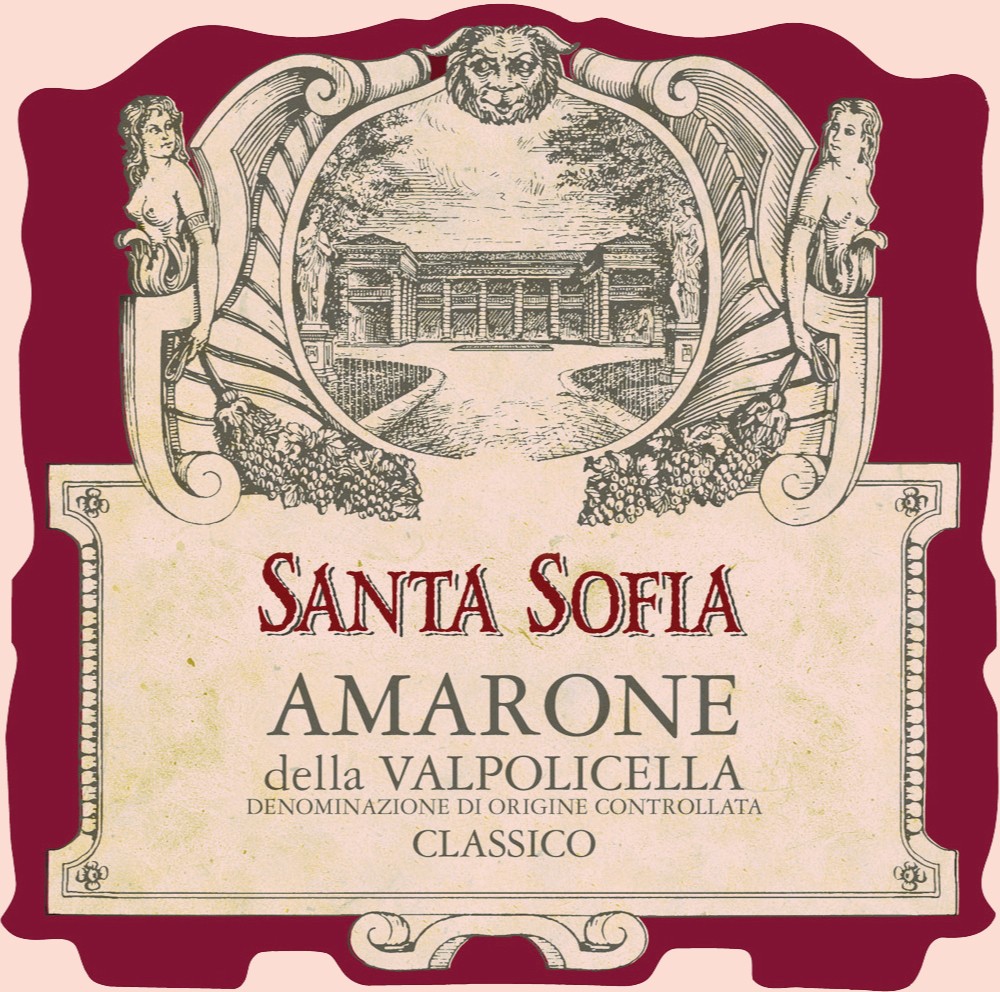
Amarone della Valpolicella is a red Italian wine with a very rich flavor, made from dried grapes (passito). Fortress 15-18 degrees.
Main grape varieties: Corvina, korvinone, Rondinella, Molinara.
Amarone is produced in the Veneto region and is the most prestigious red wine of the region.
The style of Amarone was the result of creative searches of the winemakers of Tuscany, who wanted to make their wine more dense, more complex and increase in the alcohol content. As seen on the example of modern red wine Valpolicella (Valpolicella) and Garda (Garda), made from the same local varieties – Corvina, Rondinella and Molinara – this wine can be too watery.
This varietal of three residents of the Veneto is not known for its depth, derived from these wines (except that Corwin is able to develop in the wine more body), especially in the cool conditions of the Western Veneto.
To increase the concentration of natural sugars and aromas of the wines of Valpolicella, the local winemakers began to dry the grapes after harvest to remove moisture from the berries while maintaining the sweetness and bouquet.
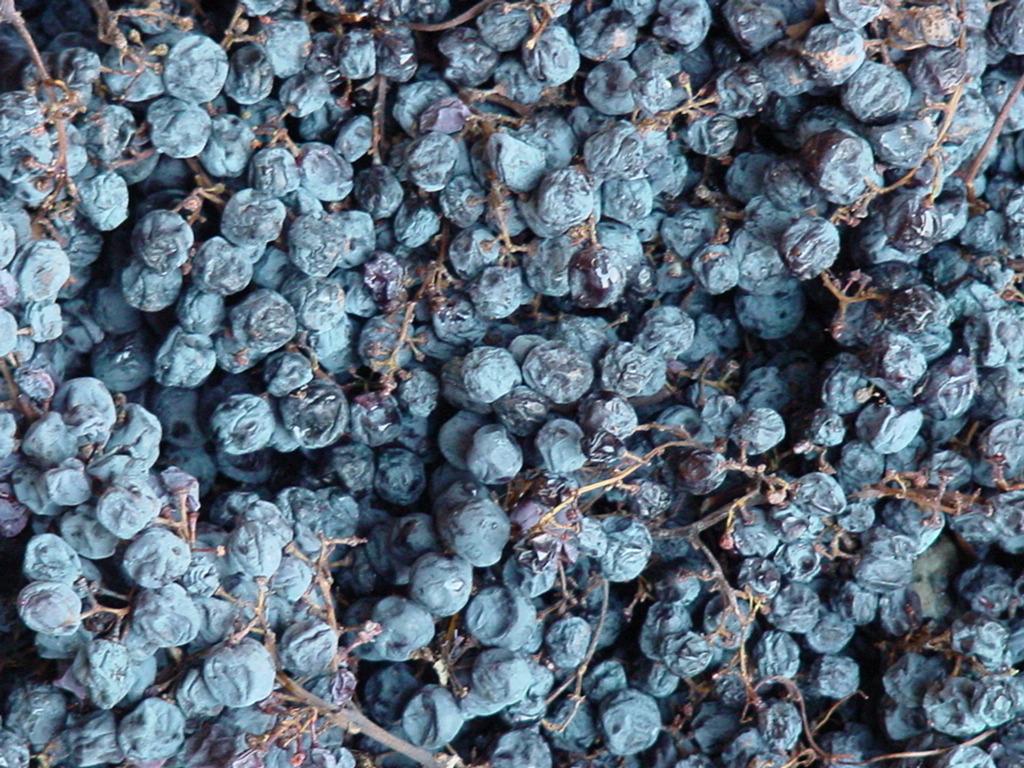
Technique begins to wilt, have been very successful, although initially it was used for making sweet wines – such as those now known as Recioto della Valpolicella.
The first Amarone wine was perceived as a negligence of a winemaker: if you allow Recioto to ferment too long, it turns out this wine. But over time, this (dry) style has been recognized and became in demand.
Amarone comes from the Italian word amaro (bitter) with magnifying the suffix –one.
And if you compare it with sweet wines Recioto, what was conceived early wine Amarone, the name is quite logical.
In the production of modern Amarone uses local Corvina variety and its variety korvinone. After harvesting whole bunches are kept in drying houses (at an elevated temperature and reduced humidity) from 3 weeks to 3 months.
Historically, the grapes were dried on straw mats (which gave the name to the category of so-called “straw wines”, which include Amarone) in the warmest parts of the house or the winery.
Modern technology has replaced straw with steel and lofts with pallets in the drying room.
At the end of the drying process – in Italian appassimento – grapes are gently pressed and the must is fermented to “dry” stage (before maksimalnye transition of sugars to alcohol).
Increased sugar content in the grapes means a higher level of potential alcohol, so at the end of fermentation the wine reaches 15-16 degrees.
Received the wine before release is aged in barrels for at least two years. Italian traditional large Botti (400 and more) are now replaced by smaller barriques (225л) of Slavonian oak.
Standard wine Amarone della Valpolicella can be made anywhere within the territory of Valpolicella. Amarone of the more prestigious sub-zones of the Classico and Valpantena marked accordingly.
In the production process of Amarone remains a by-product – bagasse from beautiful dried berries. Instead of put it on the production of grape distillate (Grappa), resourceful winemakers have come up with to add it to the wine Valpolicella. Wine and pomace of Amarone together undergo a secondary fermentation, during which tannins and phenolic compounds that enrich the wine, as it turns Valpolicella Ripasso (Valpolicella Ripasso).