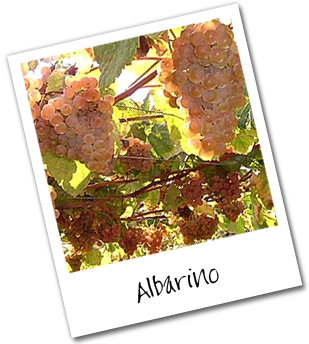
Albarino, Il. Albarino (Spanish albariño, port. alvarinho) is a white grape native to Galicia.
Best known as a key sort of Spanish denomination RIAs Baixas (Rias Baixas DO), where it produces full-bodied white wine with fruity, citrus, mineral character, well suited to the local cuisine of seafood.
Albarin (albarin) another aromatic white variety grown in Northwest Spain. Needless to say, has long been considered synonymous with albariño. But conducted in 2010, DNA profiling has surprised everyone, showing that in reality they are different varieties.
In Galicia there is still a little-known local variety of caino Blanco (Caiño Blanco), which is also often mistaken for the Albarino.
Albarino has a high acidity. It is possible to do a light white wine, and the wine more full-bodied style, aged in oak and on lees. However, variety is not very suitable for wines with a long aging in the cellar.
Aromas Of Albarino
Berries, albariño’s thick skins, which means the potential for wines with high aromatics. Such wines may have a sweet aroma, often described notes of almonds, peanut butter, apples, lime and peaches, with hints of flowers and grass greens.
This variety has many of the same terpenes with aromatic varieties such as Muscat and Gewurztraminer, and Riesling.
Nautical shades bring the influence of the Atlantic ocean, often very discernible in the wines from this variety, sometimes even to come to the fore: wine seems salty. Such a nature makes it a perfect accompaniment gastronomy.
What Albarino wines famous
Portugal from it often make slightly sparkling Vinho Verde (so-called “green wine”). In this case, the sort usually carried on the label to distinguish this wine from the standard for the Vinho Verde blends on the basis of the variety Loureiro.
Native to Albarino are lands of the North-West of the Iberian Peninsula, but it is not clear which side of the border, because it is widely distributed in Spain and Portugal.
In Spain it is almost 90% of the landings of the RIAs Baixas, where “composite” mesoclimate leads to very different outcomes from vineyard to vineyard, from vintage to vintage.
In Portugal, wine from Albarino is often bottled with residual carbonic acid that creates a recognizable tongue tingling style. These wines are intended for consumption at a young age, and the style known as Vinho Verde (green wine), quickly became popular outside the country and attracted attention and money to the winemaking region.
High quality albariño growing interest in Iberian grape varieties has led to the fact that his landing had appeared in other parts of the world: some cool areas of California and New Zealand.