
Understand the types of whiskey: what do you mean malt, single malt, blend and blend. The types of Scotch whiskey for raw materials and types of production.
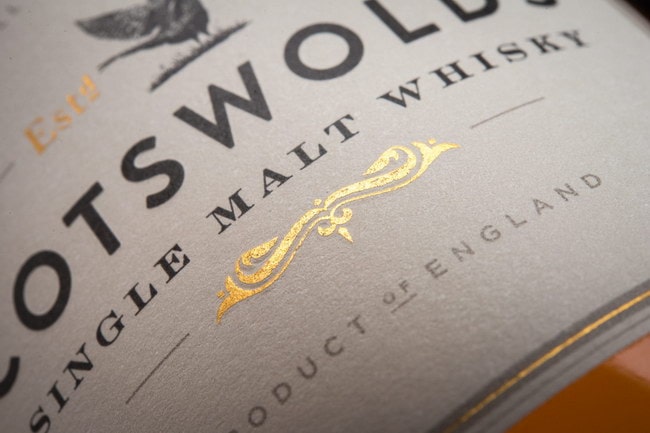
Single malt (Single malt) Single malt is a type of whiskey produced by a specific distillery (therefore single) and only from malted barley (and therefore malt) without the use of other raw materials and alcohols from other plants. Although the barley (or malt) may be purchased.
Traditionally single malt Scotch is the product of double distillation in copper cube. Double distillation is not a law, but almost not break tradition. Among the rare exceptions – Auchentoshan (Akenten) – single malt Scotch, which is made with a triple distillation (as is customary in Ireland).
Single malt Scotch is obliged by law to be aged at least 3 years in oak barrels. This files most often for aging whiskey barrels used Bourbon or sherry.
If the bottle indicate the year (vintage), all the spirits of this whiskey were produced in that year. If there is no extract (age), a mixture (blend) of spirits of different years, but with ageing in a barrel not less than specified.
Single malt Scotch must be bottled on site in Scotland.
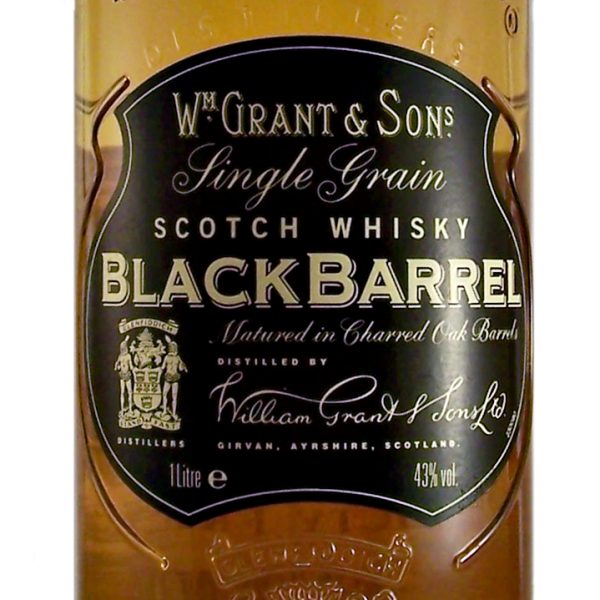
Single (Single grain) a Single grain is a type of Scotch made by one distillery (hence single), but not only from malt, and using whole grains (and therefore grain) and cereals.
Malt (Malt whisky / Blended Malt), he’s blended malt is a blend of malt whiskies from different distilleries. As a raw materials – only malt.
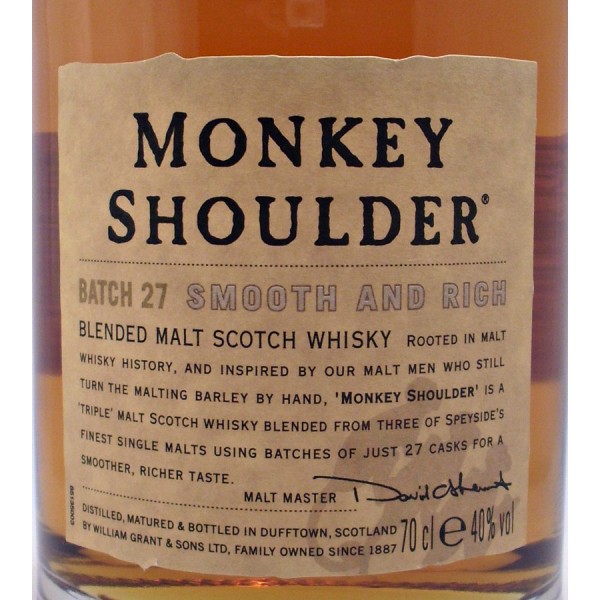
Examples: Compass Box Peat Monster Cutty Sark Blended Malt, Johnnie Walker Green Label.
In the Russian language in relation to whisky can sometimes be confusion with the concepts of blend and blend. The word “blend” has French roots and alcoholic vocabulary simply means a mixture in the broad sense (of spirits, varieties, yields, etc.)
The word “blend” (blend) is an English word, and it is whisky on the label means the mixture of spirits of different producers, as an important part of the classification of whiskey. So categories: blended malt, blended grain and blended scotch properly called “blindirovannye whiskey” and not “blended”.
It turns out that single malt (single malt whiskey) can not be blindirovannye, but can be blended.
Blended whiskey is single malt if bottled from different barrels from the same manufacturer. In fact, this is the vast majority of single malt scotches. This is done in order to avoid fluctuations in the taste and aroma of the whiskey from batch to batch, maintaining the style to which are accustomed fans of the brand.
Whiskey is not blended, if the contents of bottles bottled from a single barrel concrete:
Single barrel / Single cask (odnobochkovy) – the inscription on the label indicates that the whiskey is not blended from different barrels and bottled from a single specific. (see also cask strength)
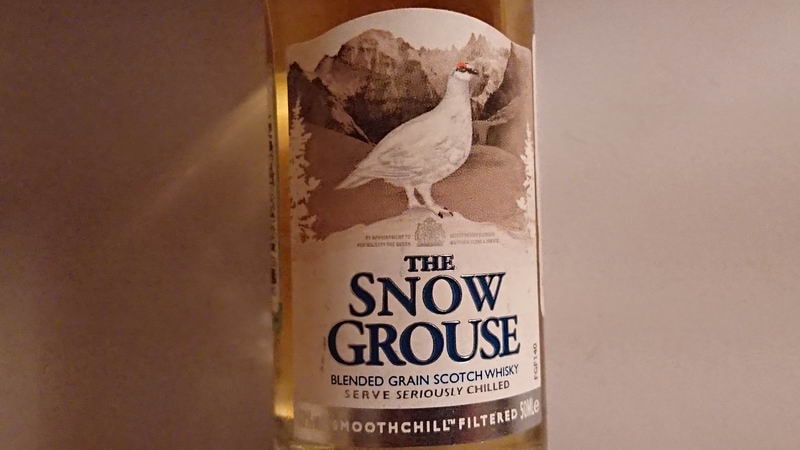
Grain (Grain Blended), he blended grain is a blend of grain whiskeys from different factories. The quality of the ingredients – malt, barley grain and other cereals. A bottle with this label you are on the Russian shelves will hardly meet.
Example: Snow Grouse (in the line of the manufacturer the famous grouse – Famous Grouse)
Blended (Blended Scotch) – a mixture of malt and grain whiskeys from different distilleries. “Cream”, as they sneer in Russian.
Although the law allows for this category to mix very much, the end result is the conscience of the particular manufacturer. Among the blends (brendirovannyh whiskey) is noteworthy brands that use this freedom to create a very balanced ratio of pricequality blends.
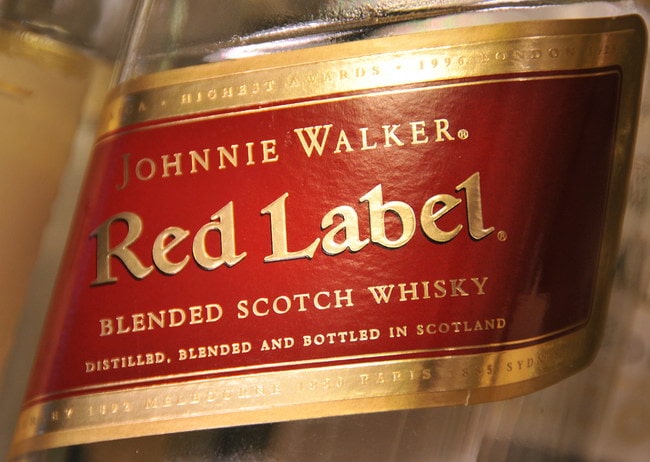
Examples brendirovannyh Scotch: Famous Grouse, J&B, Chivas Regal, Johnnie Walker Red Label
Blend can be an indication of age (aging) or without. If the age specified, by law, it is the age of the youngest spirit in the blend composition.
The age of whiskey is a period of aging in barrels! Unlike wine, whisky in the bottle is not developed, therefore, the time spent in the bottle, determining the age of whisky is ignored and the exposure is not considered.
As in the case of wine, in the formation of the character of Scotch whiskey play the role of geography and soil. But what truly distinguishes whiskey from wine in this regard is the water used in its production. It has a huge impact on the individual characteristics of the drink.
Scotch produced along the coast may have noticeable hints of salt marsh, though he do on spring water.
The one that is inland, far from the coastline, you’ll be more fresh and sometimes even floral character, thanks to Heather meadows, through which run the springs.
Manufacturers of single malt Scotch are proud of their sources, claiming excitedly that their distillery uses the purest in Scotland spring water.
Of Scotch has a distinct smoky tone, some not. It’s the fact that some of the Scotch is made from barley, which Zolotitsa over burning peat. The used water can also be from a source in peatlands.
Thus the geography often dictates the style of a particular tape, although the use of peat is entirely at the discretion of the manufacturer: not smoky whiskies can be found in regions rich in peatlands and smoky samples in regions where there is little peat.
It’s not as confusing as it may seem. Everything will fall into place when you get into the main regional styles and taste characteristics of a specific manufacturers.